SKI-DOO 515178350 Backcountry Coolant Temperature Sensor 146
fits model: 850. make: Skidoo, Ski-doo. year: 2023.
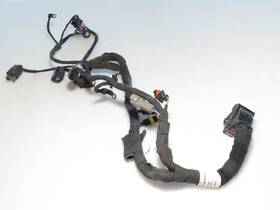
( Brand: Ski-doo ), ( Manufacturer Part Number: 515178350 ), ( Type: Parts ), ( Country Of Origin: Canada )
Review SKI DOO Backcountry 146 Inch Gen Coolant Temperature Temp Sensor fits 850 2023
The **Ski-Doo 2023 Backcountry 850 146 Gen Coolant Temperature Sensor (Part #515178350)** is a precision-engineered component designed to ensure optimal performance and longevity of your Ski-Doo s cooling system. This high-quality sensor plays a critical role in monitoring the engine s coolant temperature, allowing the vehicle s electronic control module (ECM) to regulate cooling fan operation, fuel injection, and ignition timing for peak efficiency and protection against overheating. Manufactured to meet or exceed OEM specifications, this sensor features a robust, corrosion-resistant construction, ensuring durability in demanding backcountry conditions where exposure to moisture, dust, and extreme temperatures is common. The sensor s reliable performance helps maintain consistent engine temperatures, reducing wear on internal components while enhancing throttle response and overall power delivery. Whether navigating deep powder, steep descents, or rugged trails, this sensor provides real-time feedback to the Ski-Doo s onboard systems, preventing potential damage from overheating and ensuring consistent performance across varying environmental conditions. Ideal for both original equipment replacement and aftermarket upgrades, this sensor is a straightforward yet essential part for maintaining the health of your Ski-Doo s cooling system, extending the life of your vehicle and preserving its performance for years of adventurous backcountry riding.
Buying a Ski-Doo 515178350 2023 Backcountry 850 146 Gen Coolant Temperature Sensor involves weighing several factors, including performance, reliability, cost, and compatibility. Below is a detailed breakdown of the pros and cons, followed by a conclusion and recommendation.
---
**Pros:**1. **Compatibility and Fitment:** This sensor is specifically designed for the 2023 Ski-Doo Backcountry 850 146 Gen model. Using an OEM (Original Equipment Manufacturer) or high-quality aftermarket part ensures a perfect fit, reducing the risk of leaks or improper installation. This minimizes the chance of engine damage due to incorrect sensor placement or calibration.
2. **Reliability and Performance:** The coolant temperature sensor plays a critical role in maintaining optimal engine performance. A faulty sensor can lead to incorrect readings, causing the engine to run too hot or too cold, which can reduce fuel efficiency, power output, and longevity. Replacing a failing sensor with a new one ensures accurate temperature monitoring, protecting the engine from overheating and improving overall performance.
3. **Preventative Maintenance:** Addressing a failing sensor proactively can prevent more costly repairs down the line. Coolant temperature sensors are relatively inexpensive compared to the potential damage that can occur if the engine overheats or runs inefficiently. Replacing it now can save money and frustration later.
4. **Warranty Considerations:** If your Ski-Doo is still under warranty, replacing a faulty sensor with an OEM part may be covered, depending on the warranty terms. This makes it a low-risk investment if the sensor failure is due to manufacturer defect.
5. **Ease of Installation:** Coolant temperature sensors are typically straightforward to replace, especially if you have some mechanical experience. The process usually involves draining some coolant, removing the old sensor, and installing the new one. Many users can complete this task in under an hour with basic tools.
6. **Aftermarket Options:** While this is an OEM part, there are also high-quality aftermarket alternatives available that may offer similar performance at a slightly lower cost. Brands like ACDelco, Bosch, or other reputable manufacturers produce sensors that meet or exceed OEM standards.
---
**Cons:**1. **Cost:** The price of the sensor itself, especially if purchasing an OEM part, can be higher than generic aftermarket alternatives. While the difference may not be substantial, it s still an additional expense to consider, particularly if you re on a tight budget.
2. **Potential for Counterfeit Parts:** If purchasing from an untrusted seller, there is a risk of receiving a counterfeit or low-quality sensor. Counterfeit parts may not function correctly, leading to the same issues you re trying to avoid. Always buy from reputable dealers or authorized sellers to mitigate this risk.
3. **Additional Labor Costs:** If you re not comfortable performing the replacement yourself, you ll need to factor in labor costs from a dealership or mechanic. Labor fees can add significantly to the total expense, especially if the shop charges higher rates.
4. **Coolant Drainage and Refill:** Replacing the sensor requires draining some coolant, which means you ll need to refill it afterward. If you don t have the right coolant for your Ski-Doo, you may need to purchase it separately, adding to the cost. Using the wrong coolant can also void warranties or damage the cooling system.
5. **Diagnostic Challenges:** If the sensor is failing intermittently or the issue is more complex (e.g., wiring problems, ECU calibration), simply replacing the sensor may not resolve the problem. In such cases, further diagnostics may be required, which could involve additional time and money.
6. **Limited Lifespan of Components:** While the sensor itself may last for years, other related components in the cooling system (e.g., hoses, water pump, thermostat) could also be nearing the end of their lifespan. If these components fail shortly after replacing the sensor, you ll face additional repairs.
---
**Conclusion:**The decision to buy and replace the Ski-Doo 515178350 2023 Backcountry 850 146 Gen coolant temperature sensor hinges on whether the potential benefits outweigh the costs and risks. On the positive side, replacing a failing sensor is a straightforward and cost-effective way to maintain engine health, prevent overheating, and avoid more expensive repairs. The sensor is critical for optimal performance, and its failure can lead to significant issues if ignored. The OEM part ensures compatibility and reliability, while aftermarket options can offer similar benefits at a lower cost if sourced carefully.
On the negative side, the upfront cost especially if labor is involved may be a deterrent for some. There s also the risk of purchasing a low-quality part or encountering related issues in the cooling system. However, these cons are largely mitigated by purchasing from trusted sources and performing basic maintenance yourself.
---
**Recommendation:**If you re experiencing symptoms of a failing coolant temperature sensor such as erratic engine performance, overheating, or warning lights on your Ski-Doo replacing the sensor is a wise investment. Here s what I recommend:
1. **Verify the Issue:** Before purchasing, confirm that the sensor is indeed the problem. Use an OBD-II scanner or consult a mechanic to check for error codes related to the coolant temperature sensor. This ensures you re addressing the right issue and avoids unnecessary spending.
2. **Purchase from a Trusted Source:** Buy the sensor from an authorized Ski-Doo dealer, a reputable online retailer (e.g., Amazon, RockAuto, or specialized snowmobile parts stores), or a mechanic you trust. Avoid third-party sellers with no reviews or return policies to avoid counterfeit parts.
3. **Consider DIY Installation:** If you re comfortable with basic mechanical work, replace the sensor yourself. This saves labor costs and gives you confidence in the quality of the installation. Follow Ski-Doo s service manual or a reliable online guide for step-by-step instructions.
4. **Use the Correct Coolant:** Ensure you use the coolant specified for your Ski-Doo model. Mixing or using the wrong coolant can damage the cooling system. If you re unsure, check your owner s manual or ask the dealer for the correct type.
5. **Inspect Related Components:** While replacing the sensor, take the opportunity to inspect other parts of the cooling system, such as hoses, the water pump, and the thermostat. Replace any worn or damaged components to prevent future issues.
6. **Monitor Performance Post-Replacement:** After installing the new sensor, monitor your Ski-Doo s performance closely. Watch for any warning lights, overheating, or unusual behavior. If issues persist, consult a professional to diagnose further.
**Final Verdict:** The pros of replacing the coolant temperature sensor far outweigh the cons for most Ski-Doo owners. It s a relatively low-cost, high-impact maintenance task that protects your engine and ensures reliable performance. If you re proactive about maintenance, this replacement is a smart move. If you re unsure about the sensor s condition, have it checked by a professional to avoid unnecessary expenses.
Details:
Our E-store includes parts for Texas Aroma Taejon HB Kyushu Lois Cray Serpent Meighen Associated and more.
part #: 515178350 prices
- $120.00-$190.00
specifications snowmobileshocksoi:
- for models: 850
- for makes: Skidoo, Ski-doo
- for years: 2023
- brand: Ski-doo
- mpn: 515178350
- type: Parts
- country of origin: Canada
seller snowmobileshocksoi:
- rating: 99.9%
- city: Heyburn, Idaho
- # reviews: 167623
payments snowmobileshocksoi:
- credit card: Discover
- other
- wallet: Apple-pay
general snowmobileshocksoi:
- condition: Used
- Parts Accessories > Snowmobile Parts > Shocks Suspension
offer snowmobileshocksoi:
- options: Ship-to-home
- availability: In Stock
- quantity: 1
- sold: 0
- started: February 24, 2026
shipping snowmobileshocksoi:
- service: FedEx Ground Economy
- transit: 4-10 Days
- carrier: FedEx
- cost: $0.00
- class: Economy
- type: Fixed
returns snowmobileshocksoi:
- paid by: Seller
- policy: Returns Accepted
- time: 30 Days
Ski-doo 515178350 Is Similar To:
- A050-r1 a050l1 On Part A050-r1 A050l1 Ski-doo (18.3% similar) ...(May 23rd, 2017)
- 00000000 Ski-doo 2007 Skidoo Rev (23.6% similar) Please assume that any small parts such as bolts and nuts do not come in the purchase, unless specified. Part came from 2007 skidoo rev 800 hols front suspension with fox shocks. Domestic: free shipping is only for lower 48 states. Sometimes small parts such as bolts and nuts, get misplaced. Keep ...(August 3rd, 2017)
- 0008000-s Aftermarket Brand New Sno Front Gas Shock For Ski Doo (13.9% similar) 7MM RETAINER:48. Brand new Son front gas shock for ski doo Max Adrenalin open: 460 -3MMSTROKE: 130 -3MMCLOSE:330 -3MMTUBE: 42MMSHAFT: 12. Please through with any questions. Don't get caught sleeping. 5MMTOP bottom hole: 10. In some instances the item shown offer may vary slightly from actual ...(November 8th, 2018)
- 11 800 Track Rear Shock Skid Rev Ski 0061 Prices Summit Damper Doo Xp Stock Oem (28.7% similar) ...(November 11th, 2014)
- 11 800 Leg Doo Oem Xp Ski Rev 0061 Spindles Left Summit Prices Steering (19.3% similar) ...(November 11th, 2014)
- 800 Summit Mxz 09 8 Stock Oem 600 Ski 0074 Riser Xp Doo Handle Prices Rev Bar (19.5% similar) ...(December 20th, 2014)
- 0074 Oem Rear Prices 09 Rev 146 Skid 800 Summit Doo 600 Rails Ski Xp Suspension Slide (28.9% similar) ...(January 23rd, 2015)
- Front Rev 800 Skid 0137 Ski 600 Xp Rear Oem 08 Arms Torque Doo Summit Prices Springs (22.3% similar) ...(August 10th, 2014)
- Ski 0165 Doo 800 Spindle Steering Leg Summit Rev Side Oem Xp 08 Prices (21.8% similar) ...(October 2nd, 2014)
- Summit Tie Ends Ski 0165 Prices 08 Front Doo Aftermarket Rev Wide Rods 800 Xp (32.6% similar) Missing one end...(October 2nd, 2014)
- Slide Prices 600 Vr 03 Ski Doo 800 0190 Rear Skid Oem Mx 121 Hpg Rev Arms Rails Mxz (30.3% similar) Nampa, id archer rd...(August 10th, 2014)