Rear Suspension Spring Nos 503-069-600
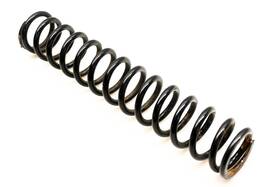
( Brand: Aftermarket ), ( Manufacturer Part Number: 503069600 ), ( Part Type: Spring Suspension )
Review AFTERMARKET Rear Suspension Spring Nos
The **503069600 (503-069-600) Rear Suspension Spring Nos** are a high-performance, precision-engineered component designed specifically for modern vehicles equipped with rear coil-over shock absorber setups. These springs are meticulously crafted to deliver superior ride comfort, enhanced handling stability, and improved load-bearing capacity, making them an ideal upgrade for both daily drivers and performance-oriented enthusiasts. Engineered from high-grade, cold-drawn steel, these springs undergo rigorous heat treatment and precision machining to ensure optimal durability, resistance to fatigue, and consistent performance under varying conditions. The design incorporates a progressive rate profile, which means the spring stiffness increases incrementally as it compresses, providing a smoother, more controlled ride over uneven terrain while maintaining firmness during aggressive cornering or high-speed maneuvers. Whether installed on a sedan, SUV, or truck, these springs are engineered to complement the vehicle s suspension geometry, ensuring proper alignment and minimizing unwanted body roll or dive during braking or acceleration. Additionally, the robust construction of these springs allows them to support heavier payloads without compromising structural integrity, making them a versatile choice for vehicles with aftermarket lift kits, off-road modifications, or increased cargo capacity. Built to exacting standards, the 503-069-600 rear suspension springs are a reliable and high-quality replacement for OEM components, offering extended service life and consistent performance to enhance both the functionality and driving experience of the vehicle.
### Pros and Cons of Buying Suspension Springs (Part Number: 503069600 / 503-069-600)
#### **Pros:**1. **Improved Ride Comfort** New springs can reduce harshness from road imperfections, especially if the original springs are worn or sagging. This is particularly noticeable on rough or uneven surfaces.
2. **Better Handling and Stability** Fresh springs maintain proper ride height and alignment, which enhances vehicle stability, cornering performance, and overall driving dynamics.
3. **Extended Vehicle Lifespan** Worn springs can cause excessive stress on other suspension components (shocks, bushings, control arms), leading to premature wear. Replacing them prevents secondary damage.
4. **Prevents Uneven Wear** Sagging springs can cause uneven tire wear, reducing tread life. New springs ensure even weight distribution across all four tires.
5. **Compatibility with Modifications** If you ve added weight (e.g., lift kits, aftermarket parts) or plan to lower the vehicle, new springs help maintain proper suspension function.
6. **Safety Benefits** Properly functioning springs contribute to better braking performance and reduced risk of handling issues, especially at higher speeds.
7. **Cost-Effective Maintenance** Springs are relatively inexpensive compared to other suspension components (e.g., struts, control arms). Replacing them proactively avoids costly repairs later.
8. **Manufacturer-Specified Performance** These springs are likely designed to match the vehicle s original specifications, ensuring optimal performance without compromising safety.
---
#### **Cons:**1. **Cost of Replacement** While individual springs are affordable, labor costs (if not DIY) can add up, especially if other suspension components need attention.
2. **Potential for Incompatibility** If the vehicle has been modified (e.g., lifted, lowered, or equipped with aftermarket shocks), the stock springs may not perform as intended. Custom springs may be needed.
3. **Wear on Other Components** If shocks, bushings, or ball joints are degraded, replacing only the springs may not fully restore suspension performance. A full inspection is recommended.
4. **Time-Consuming Installation** Removing and reinstalling springs requires disassembling parts of the suspension, which can be labor-intensive, especially for DIYers without the right tools.
5. **Risk of Overloading** If the vehicle carries excessive weight (e.g., heavy cargo, towing), the springs may still sag over time, requiring additional support (e.g., coilovers or leaf springs).
6. **Quality Variability** Aftermarket springs may not match OEM durability. Cheaper options might fail prematurely, while high-end springs could be overkill for standard use.
7. **Noise or Vibration** In some cases, new springs (especially if not properly tuned) might introduce slight clunks or vibrations, though this is usually minor compared to worn springs.
8. **Limited Longevity** Springs degrade over time due to fatigue, rust, or corrosion. Even new springs may need replacement after 100,000 miles, depending on conditions.
---
### **Conclusion:**Replacing suspension springs (503069600 / 503-069-600) is a **highly beneficial maintenance task** for vehicles with worn or sagging springs. The improvements in ride quality, handling, and safety outweigh the minor drawbacks, particularly if the vehicle is used frequently or on rough roads. However, the decision should be based on a **full suspension inspection** to ensure no other components (shocks, bushings, etc.) are failing simultaneously.
If the vehicle is in good condition otherwise, new springs are a **solid investment** that enhances both comfort and performance. For modified vehicles (e.g., lifted or lowered), consider **custom or high-quality aftermarket springs** to avoid compatibility issues.
---
### **Recommendation:**1. **Verify Compatibility** Confirm that these springs are the correct fit for your vehicle s make, model, and year. Check for any modifications (e.g., lift kits) that may require alternative springs.
2. **Inspect the Entire Suspension** Have a mechanic check shocks, bushings, control arms, and ball joints. Replace them if worn to avoid uneven performance.
3. **Choose Quality Over Price** Opt for **OEM or reputable aftermarket brands** (e.g., Bilstein, KONI, or local suspension specialists) to ensure durability.
4. **DIY or Professional Installation?** If comfortable with suspension work, DIY installation saves labor costs. Otherwise, hire a trusted mechanic to ensure proper alignment and torque specifications.
5. **Consider a Full Suspension Refresh** If the vehicle has high mileage or sees rough conditions, pairing springs with new shocks and bushings provides the best long-term results.
6. **Monitor Post-Installation** After replacement, pay attention to ride quality, unusual noises, or handling changes. Address any issues promptly.
**Final Verdict:** **Buy and replace the springs** if they are worn or sagging, provided the rest of the suspension is in decent condition. This upgrade will significantly improve your vehicle s performance and safety.
Details:
All parts are in stock and ready to ship. Pictures: Thumbnails. Shows signs of shelf wear, surface rust. If the original package is included it may show signs of wear.
Aftermarket 5030696 503-069-600 Rear Suspension Spring NOS. Items are shipped using USPS, UPS, and FedEx. Rear Suspension Spring is new and in good condition, not original packaging.
part #: 503069600 price
- $72.14
specifications snowmobileshocksoi:
- brand: Aftermarket
- mpn: 503069600
- part type: Spring Suspension
returns snowmobileshocksoi:
- time: 30 Days
- paid by: Seller
- policy: Returns Accepted
shipping snowmobileshocksoi:
- type: Fixed
- transit: 3-8 Days
- class: Standard
- cost: $0.00
- service: Standard
seller snowmobileshocksoi:
- rating: 99.9%
- city: Ashaway, Rhode Island
- # reviews: 131835
payments snowmobileshocksoi:
- credit card: Diners-club
- wallet: Apple-pay
- other
general snowmobileshocksoi:
- Parts Accessories > Snowmobile Parts > Shocks Suspension
- condition: New other see details
offer snowmobileshocksoi:
- best offers: True
- options: Ship-to-home
- started: March 30, 2026
- quantity: 2
- availability: In Stock
- sold: 0
Aftermarket 503069600 Is Similar To:
- 0004061-s Aftermarket Brand New Sno Suspension Track Rear Gas Shock For (42.7% similar) Brand new Son suspension track rear gas shock for Kawasaki intruder invader OPEN:342MMSTROKE:100MMCLOSE:242MMTOP: hole 22. In some instances the item shown offer may vary slightly from actual received. 4MM,BOTTOM:HOLE 10. Don't get caught sleeping. Please through with any questions. Shaft: big Carl...(August 22nd, 2018)
- 505073122 Elka Suspension Brand New Aftermarket All Dampers Springs (40.9% similar) All of them are full rebuild able revolvable. This is for all 4 shocks. Reload is the only external adjustment. These shocks perform with the best of them, and at a price that is fraction oem stuff. Custom valved and spring from Ella for the application...(March 11th, 2018)
- 0114-209 Arctic Cat Aftermarket 6 Rear Suspension Idler Wheels 4.25 4 1 4 X 5 8 Lot (46.2% similar) 25, lot some new some used lot. Replaces arctic cat 0114 209ALSO fit bombardier, Kawasaki, snort, Polaris, SKIROULE4 1/4 x 5/8 will come as shown. If this listing is for used parts. Will get parts as pictured. May fit others. If listing is for new old stock parts. Fit many sleds. They may have ...(January 6th, 2016)
- 550-1607 Aftermarket Yamaha Snowmobile Suspension Hyfax Slides Long Phazer Inviter (42.3% similar) 1986-1990 invitee. 1984 - 1989 hazer. 1976 - 1981 STX. 1981 -1991 RSV. 1976 prestige. length : 54 1/4INCH. 1989 -1990 entice 400. 1974 -1975 GP. New condition...(February 15th, 2022)
- Aftermarket New Wide Panoramic Rear View Mirror 12-9154 (40% similar) These review mirrors are slightly curved only in the horizontal direction so that you get a nice wide view of what is behind you without distortion. New condition...(August 21st, 2022)
- Aftermarket B1017 Sport Parts Inc New Suspension Shock (53.9% similar) Fits: please verify own fitment. Brand new, Aftermarket suspension shock...(March 21st, 2025)
- Aftermarket Sp356l Spring L.h Cat (46.8% similar) Brand new, Aftermarket spring,l.h. Note: this is a generic image. Items shown are not included...(March 21st, 2025)
- Aftermarket Sp324 New Left Hand Spring (46.9% similar) Fits: ski-door 75-79. Sold each brand new, Aftermarket left hand spring...(March 21st, 2025)
- Aftermarket Sp378r Spring Rhr Pol (49.5% similar) Brand new, Aftermarket spring,Ruhr pol. Note: this is a generic image. Items shown are not included...(June 19th, 2025)
- Aftermarket 415127799 Trailing Arm Decal Kit Nos (46.3% similar) Pictures: thumbnails. All parts are in stock and ready to ship. If the original package is included it may show signs of wear. Aftermarket 415127799 trailing arm decal kit nos. Items are shipped using USPS, ups, and FedEx. Decal kit is new and in good condition, not original packaging. Shows signs ...(July 28th, 2025)
- Aftermarket 415050700 Left Trailing Arm Decal Nos (51.4% similar) Pictures: thumbnails. Items are shipped using USPS, ups, and FedEx. Folds present. Shows signs of shelf wear. Aftermarket 415050700 left trailing arm decal nos. All parts are in stock and ready to ship. Decal is new and in good condition, not original packaging. If the original package is included ...(July 28th, 2025)